
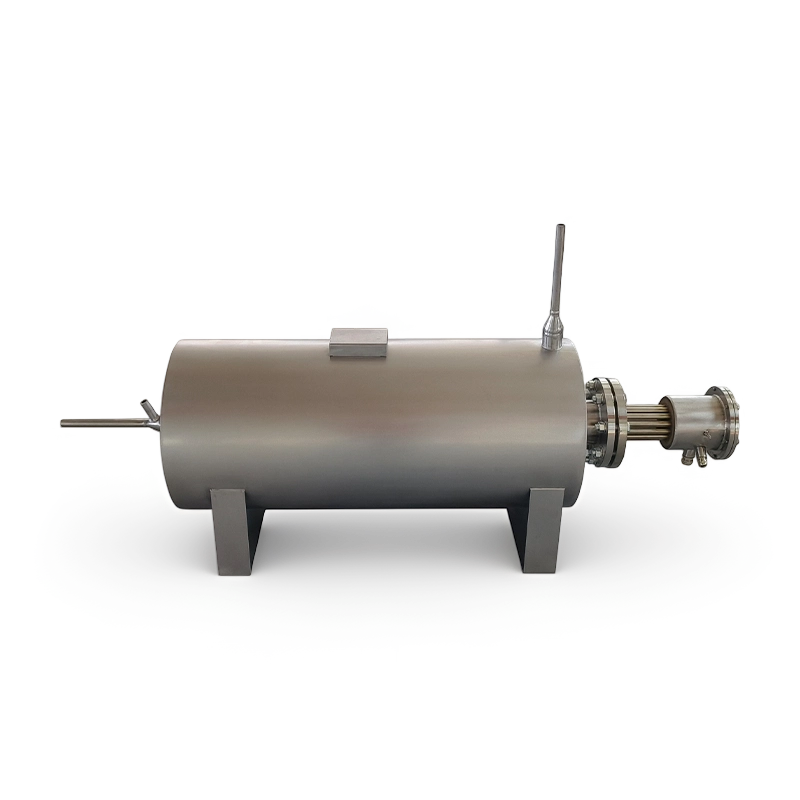
Antifreeze Heater is designed to heat antifreeze or glycol solutions to help prevent freezing and maintain the required fluid temperature. It uses stainless steel heating elements and supports immersion or circulation installation. The compact design allows integration into engines, generators, HVAC systems, solar thermal equipment, and other industrial equipment. Power, voltage, dimensions, heating element materials, and connections can be customized according to different system requirements.


Antifreeze Heating
The Antifreeze Heater heats antifreeze or glycol solutions to help prevent freezing and maintain the required fluid temperature.
Multiple Voltage Options
Available voltage options include 12V, 24V, 220V, and 380V for different equipment and power supply systems.
Flexible Installation
Immersion and circulation installation options support integration into fluid tanks, circulation systems, and other heating equipment.
Temperature Control
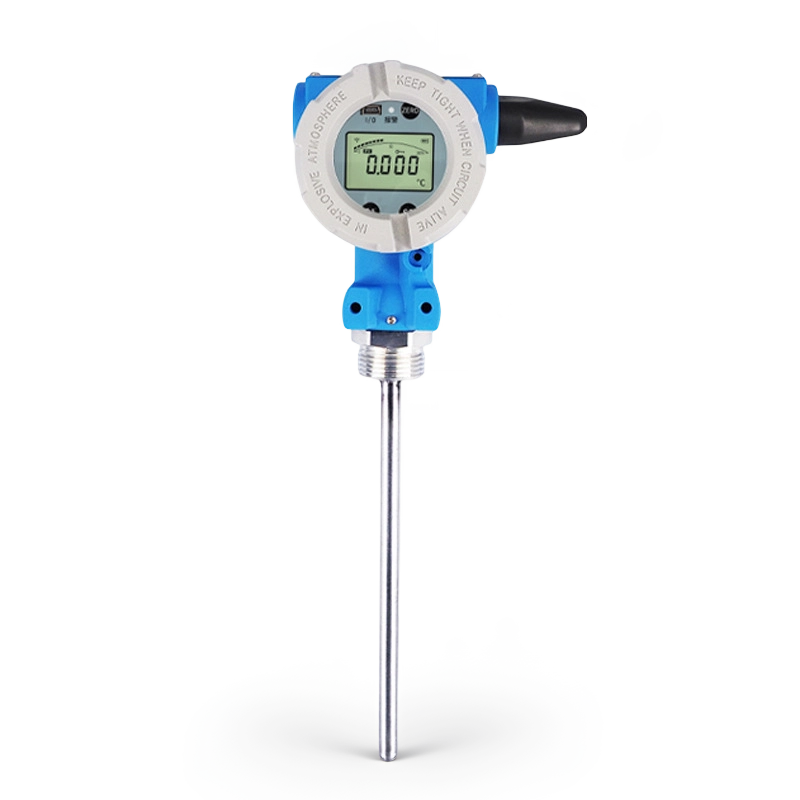
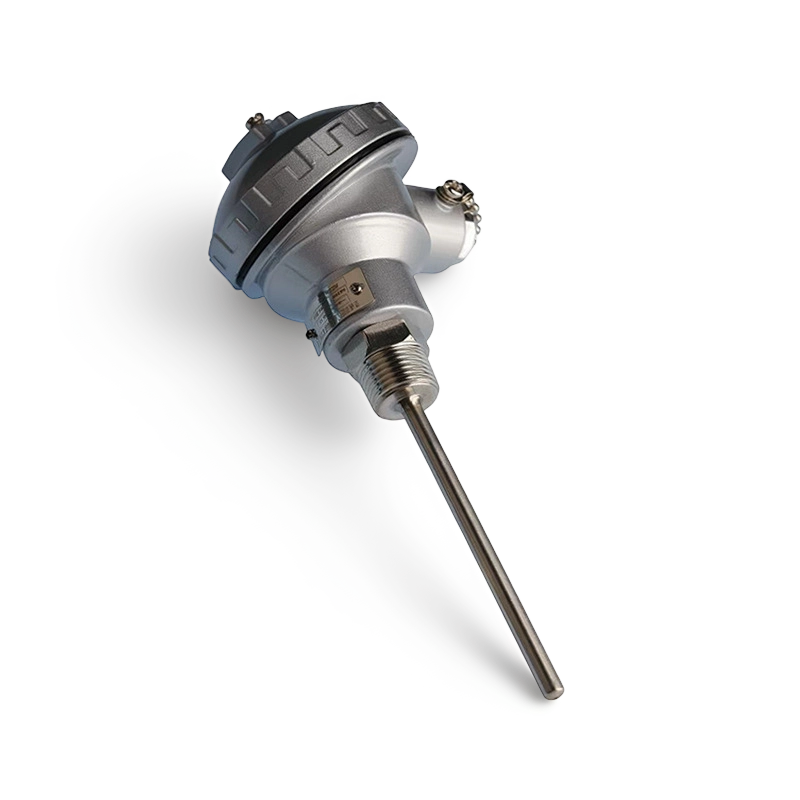
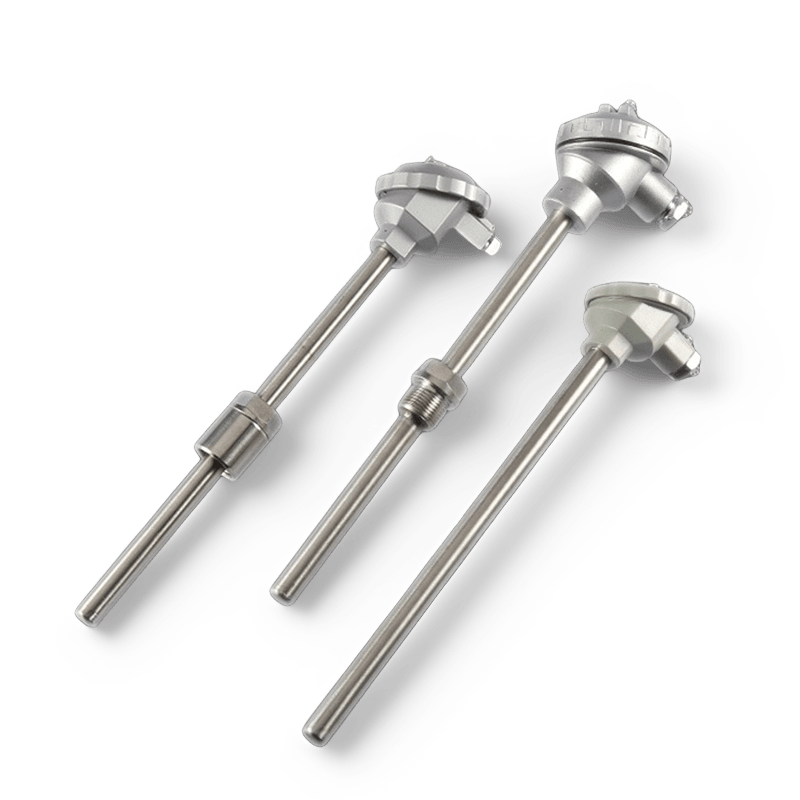
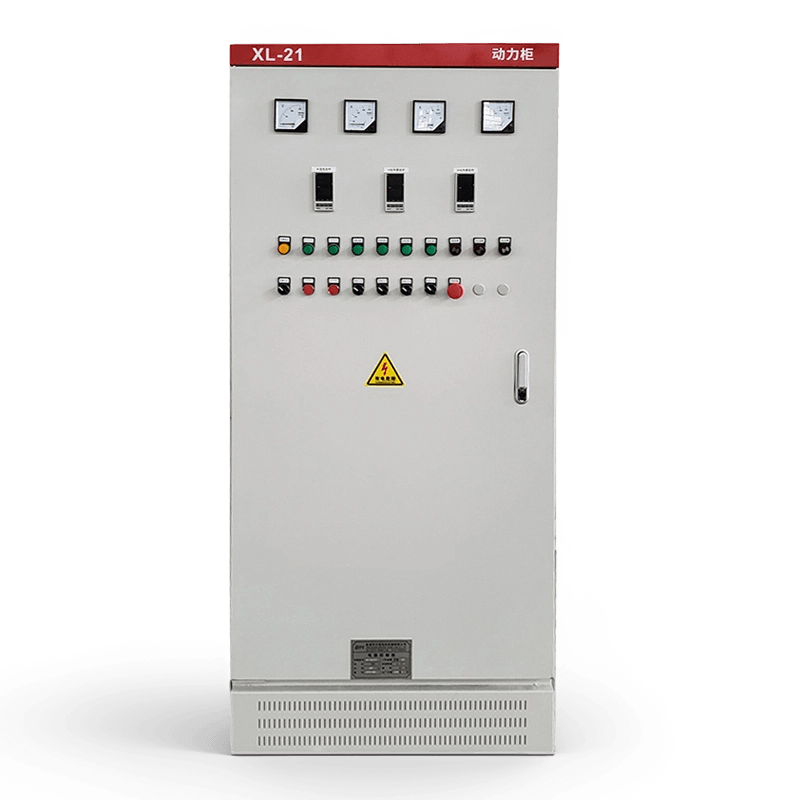
Thermostat or PID control can be selected to regulate the heating temperature according to system requirements.
Corrosion-Resistant Construction
Stainless steel heating elements are used for antifreeze and glycol heating applications, with alternative materials available for customized configurations.

| Parameter | Specification |
| Product Type | Antifreeze Heater |
| Medium | Antifreeze / Glycol |
| Element Material | Stainless Steel |
| Power | Custom |
| Voltage | 12V / 24V / 220V / 380V |
| Installation | Immersion / Circulation |
| Control | Thermostat / PID |
| Dimensions | Custom |
| Flange / Connection | Custom |


| Item | Information |
| MOQ | 1 unit (sample available), bulk orders welcome |
| Lead Time | 7-15 days for standard models, 20-30 days for custom models |
| Payment | T/T, L/C, PayPal |
| Shipping | By sea, air, or express, FOB/CIF/DDP |
| Warranty | 12 months |

1. What is an Antifreeze Heater used for?
An Antifreeze Heater is used to heat antifreeze or glycol solutions to help prevent freezing and maintain fluid temperature in engines, generators, HVAC, solar thermal, marine, and industrial systems.
2. What voltage options are available?
The Antifreeze Heater is available with 12V, 24V, 220V, or 380V options. Custom voltage can also be provided according to system requirements.
3. What installation methods are available?
Immersion and circulation installation are available for different antifreeze and glycol heating systems.
4. How is the heating temperature controlled?
Thermostat or PID control can be used to regulate the heating process according to the equipment requirements.
5. Can the Antifreeze Heater be customized?
Yes. Power, voltage, dimensions, heating element material, sheath, flanges, connections, and control systems can be customized. Samples and technical drawing support are also available.












 English