News
Products & Solutions
CONTACT US

+86-136-2621-2129

137531303@qq.com

No.3 Mingui Road, Gangzhong Industrial Park, Yandu District, Yancheng City, Jiangsu Province, P.R.China
Industrial processes use different liquids and heat-transfer fluids, so heating equipment must be evaluated against the medium and the intended system. A heavy oil application, for example, has different requirements from a deionized water system or a thermal oil circulation arrangement.
Electric heating equipment can be configured for different media and installation requirements. Some products are intended to heat a designated process liquid, while others heat a circulating fluid that transfers energy to connected equipment. Understanding that distinction is a useful starting point when discussing a pipeline or circulation project.
This article reviews the liquid electric heaters listed on the website, their stated applications, and the information needed to evaluate a suitable heating configuration.
Electric heating equipment converts electrical energy into heat. In a liquid heating application, the heater is selected and configured according to the medium and the intended operating conditions.
The website’s Liquid Electric Heaters category includes products for several designated media:
The category also lists a Liquid Nitrogen Vaporizer. Vaporization involves a change of state, so its requirements should be considered separately from those of an ordinary liquid heating application.
A pipeline or circulation application requires the heater’s connections and configuration to match the intended system. Relevant information includes the medium, flow requirements, installation dimensions and operating conditions.
The website describes different liquid heater arrangements, including immersion, circulation, flange and tank configurations. These descriptions do not mean that every arrangement is available for every product. The options for a particular heater should be confirmed against its product information.
The medium being heated helps distinguish one arrangement from another.
A heater selected for a designated process liquid heats that liquid as part of the intended application. By contrast, the Thermal Oil Electric Heater heats thermal oil or another heat-transfer fluid for indirect process heating. The circulating fluid then transfers energy to the process without direct contact between the heating element and the product being heated.
These arrangements should be evaluated according to the complete process, rather than by product name alone.
The website lists liquid heating products for different industrial media. The following examples illustrate how the intended application influences product selection.
The Heavy Oil Electric Heater is designed to heat heavy fuel oil to reduce viscosity and support fuel transport and combustion.
Its product page identifies applications including:
The listed heating temperature is up to 250°C for the supplied configuration. The page also describes PID control and an optional explosion-proof configuration.
For an application requiring an explosion-proof configuration, the specific equipment documentation and suitability for the installation environment should be confirmed before selection.
The Thermal Oil Electric Heater is designed to heat thermal oil or other heat-transfer fluids for indirect process heating.
The product page describes circulation and flange installation options. It lists applications such as chemical process equipment, plastics and rubber processing, food processing equipment, and industrial thermal oil circulation systems.
The page states a temperature of up to 350°C and identifies PID control. Power, voltage, dimensions and connections are listed as configurable. These details should be confirmed for the equipment supplied for a particular project.
The Deionized Water Heater is designed for deionized or ultrapure water applications where water quality is an important consideration.
Its product page lists applications including:
The page identifies 316L stainless steel and PTFE as material options for heating element construction. It also lists PID control, an optional sanitary design and a temperature of up to 95°C, subject to the supplied configuration.
Material and sanitary requirements should be reviewed for the specific application and confirmed for the selected heater.
The Liquid Electric Heaters category includes heaters named for ethylene glycol, sewage, lubricating oil, molten salt, feed water and antifreeze.
These product names provide a starting point for locating equipment associated with a particular medium. They do not establish that a heater is suitable for every composition, temperature or installation involving that medium.
Heating equipment, temperature measurement devices and control products perform different functions. The website lists products in each of these areas.
| Product type | Examples listed on the website | Function or consideration |
|---|---|---|
| Liquid electric heaters | Heavy Oil Electric Heater, Deionized Water Heater | Heating a designated liquid |
| Thermal oil heating equipment | Thermal Oil Electric Heater, Thermal Oil Furnace | Heating equipment associated with thermal oil applications |
| High-temperature and high-pressure heaters | Products listed under High Temperature & High Pressure Electric Heaters | Specifications must be confirmed for the intended conditions |
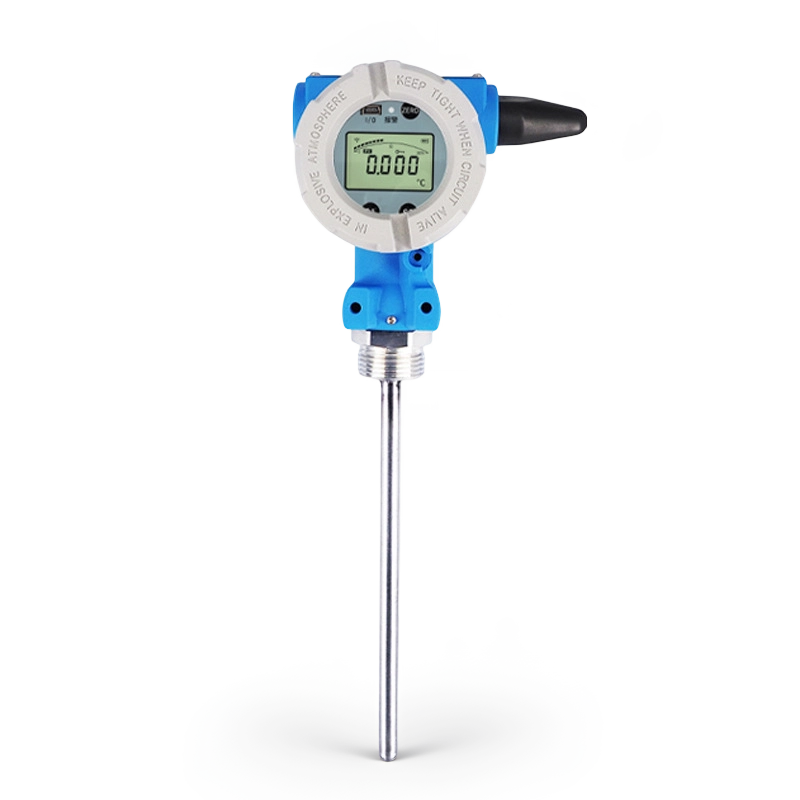
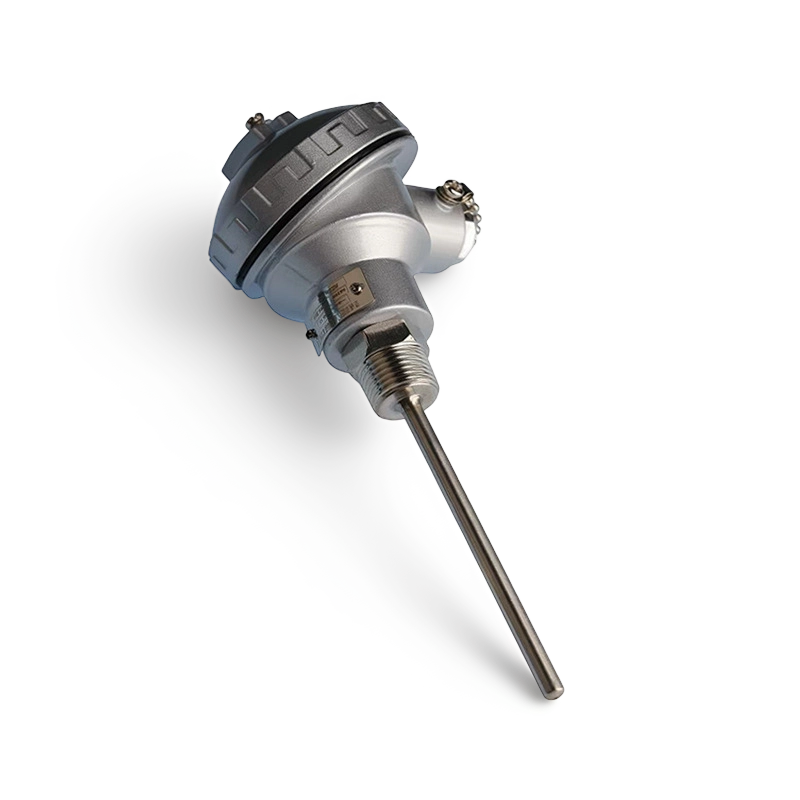
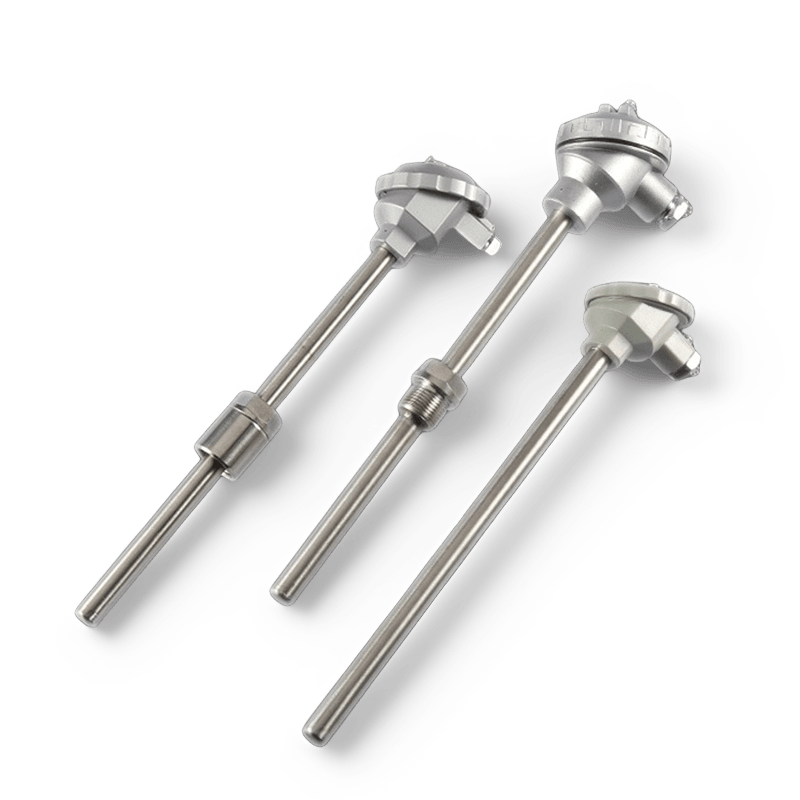
| Temperature measurement products | RTD, thermocouple, temperature transmitter | Measuring or transmitting temperature information |
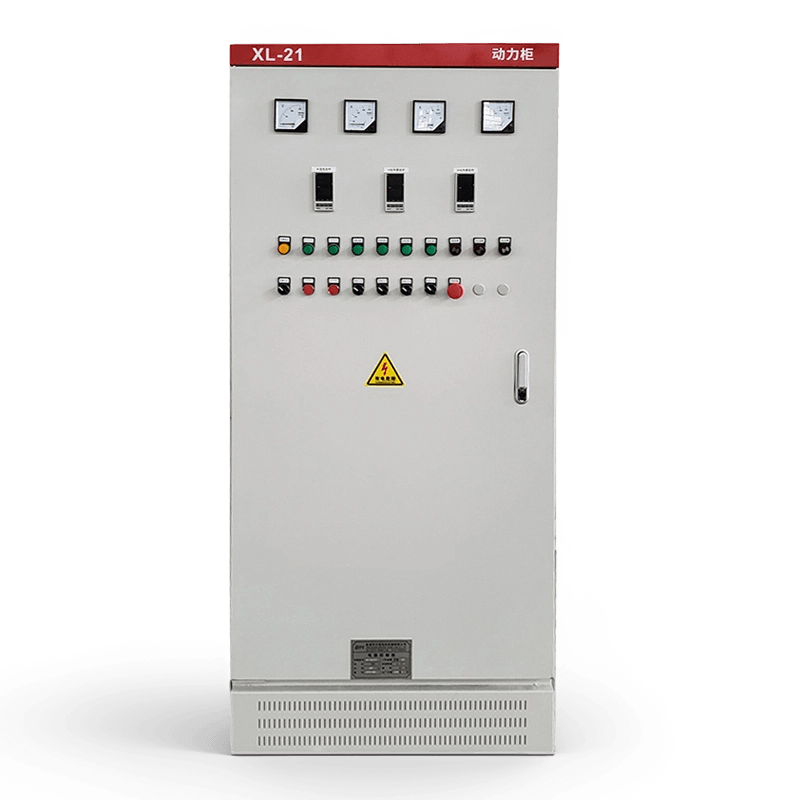
| Control product | Control cabinet | Confirm functions and compatibility for the intended system |
The relevant products depend on the heating arrangement. A listed sensor or control cabinet should not be assumed to be included with every heater.
The website lists a separate High Temperature & High Pressure Electric Heaters category. Applications with demanding temperature or pressure requirements need equipment evaluated against the actual process conditions.
When reviewing a product in this category, confirm:
Temperature and pressure values appearing in product names should not be treated as proof that both conditions apply simultaneously. The specific model’s documentation is needed to establish its operating limits.
The product range includes RTDs, thermocouples, temperature transmitters and a control cabinet. These products relate to temperature measurement and control, rather than heat generation.
For the heater being considered, establish where temperature needs to be measured and what control functions are required. The sensor and control equipment should then be checked for compatibility with the selected heating arrangement.
A product can be assessed more effectively when the process requirements are defined before its configuration is selected.
Start by specifying the material to be heated. A product intended for heavy oil, for example, should be evaluated against the actual oil and operating conditions. The same applies to water, ethylene glycol, thermal oil and other listed media.
The product name is a guide to the intended application, not a substitute for confirming the medium’s compatibility with the selected equipment.
Provide the initial temperature and the required operating or target temperature. Where applicable, include the required heating time and the intended operating conditions.
A listed maximum temperature applies to the relevant product or supplied configuration. It should not be transferred to another model or treated as confirmation of suitability for every medium.
For a pipeline or circulation application, provide the required flow conditions and pressure information.
Operating pressure and design pressure should be identified separately where applicable. Confirm the pressure-containing equipment and connections against the requirements of the intended system.
The materials exposed to the medium should be reviewed for compatibility with the application. Product pages may identify material options, but the appropriate choice depends on the selected configuration and service conditions.
Installation information should include:
Confirm the available connection and installation options for the specific heater.
Provide the available voltage and the required heating power, together with the project’s temperature measurement and control needs.
Some product pages list PID control and configurable power or voltage. These details are product-specific; confirm what is available and included for the intended configuration.
The surrounding environment can affect the equipment and documentation required. Where a hazardous area is involved, assess the site classification and confirm that the selected equipment’s markings and documentation meet the applicable requirements.
An optional explosion-proof configuration listed for one product does not mean that every configuration is suitable for every hazardous environment.
Jiangsu Zhongren Machinery Equipment Co., Ltd. lists liquid electric heaters, high-temperature and high-pressure electric heaters, and special and custom electric heaters within its heating equipment range.
The website also lists heating elements, furnace heating products, temperature sensors and a control cabinet. These categories allow a project to be discussed in terms of both the heating equipment and the related measurement or control requirements.
The website describes configurable options for selected products. Depending on the product, these may include:
The available options should be confirmed for the product being considered. Providing process details at the start helps establish which configuration needs to be evaluated.
A project description can include the following:
This information provides a basis for reviewing the relevant product specifications with the supplier.
An industrial electric heater is used to heat a designated liquid or heat-transfer fluid. The appropriate product depends on the medium and the intended system.
“Liquid electric heater” covers products intended for different liquid media. The Thermal Oil Electric Heater is specifically described as heating thermal oil or another heat-transfer fluid for indirect process heating.
Its product page describes a circulation configuration. The connections, dimensions and other specifications should be confirmed for the intended system.
The product page lists 316L stainless steel and PTFE as material options for heating element construction. Confirm the materials supplied for the selected configuration.
The website lists temperature sensors and a control cabinet as separate products. Confirm which measurement and control components are included or required for the selected heater.
The website describes configurable options for selected products, including power, voltage, dimensions and connections. Available options depend on the product and should be confirmed for the project.








 English
 русский
 Português
 Español
 عربى